

Millis Hedging Services
Choose our hedging services for precision, beauty, and privacy—our experienced team crafts tailored solutions that enhance your landscape and add value to your property.
Get a Free QuoteOur Millis Landscaping & Yard Care Services
When to Schedule Hedging in Millis, Massachusetts – Seasonal Guide
In Millis, Massachusetts, the best times to schedule hedging are typically late spring and early fall. These periods align with the region’s moderate temperatures and reduced risk of frost, which is especially important given Millis’s variable climate. For neighborhoods near Tangerini’s Farm or along Village Street, local microclimates—such as shaded yards or areas with heavier clay soils—can influence the ideal timing. Early spring hedging, after the last frost but before new growth, helps maintain healthy, well-shaped hedges, while a second trim in early fall prepares your landscape for winter without exposing plants to harsh conditions.
Millis’s weather patterns, including summer humidity and occasional drought risk, should also be considered. Properties near the Charles River or in the shade of large maples may experience different moisture levels and growth rates than those in sunnier, open areas. Always check for any municipal guidelines or seasonal restrictions, which can be found on the Town of Sudbury’s website, to ensure compliance with local regulations.
Local Factors to Consider for Hedging in Millis
- Proximity to water sources like the Charles River
- Tree density and shade coverage in neighborhoods such as Orchard Street
- Soil type (clay vs. sandy) affecting root health
- Typical precipitation and drought risk during summer months
- Municipal restrictions or guidelines on pruning and yard waste disposal
- Terrain variations, especially in hilly or low-lying areas
Benefits of Hedging in Millis
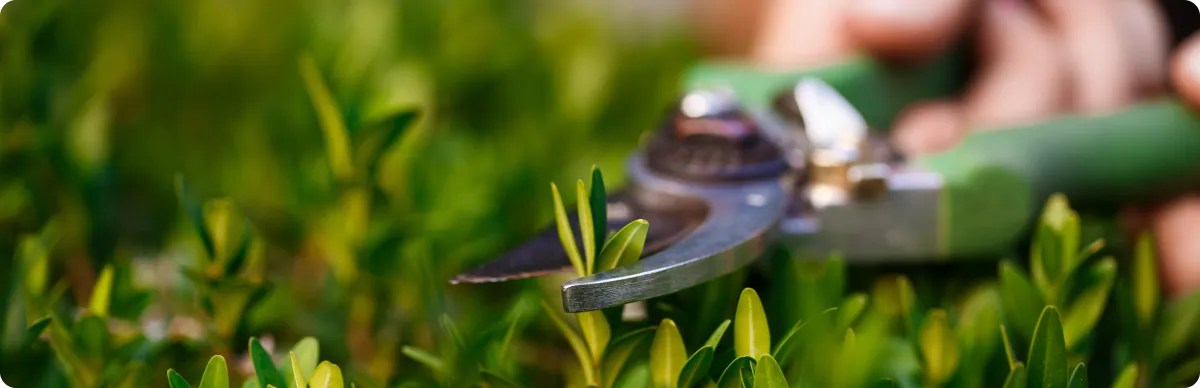
Expert Hedge Trimming
Enhanced Curb Appeal
Improved Plant Health
Customized Landscaping Solutions
Reliable Local Service
Year-Round Maintenance
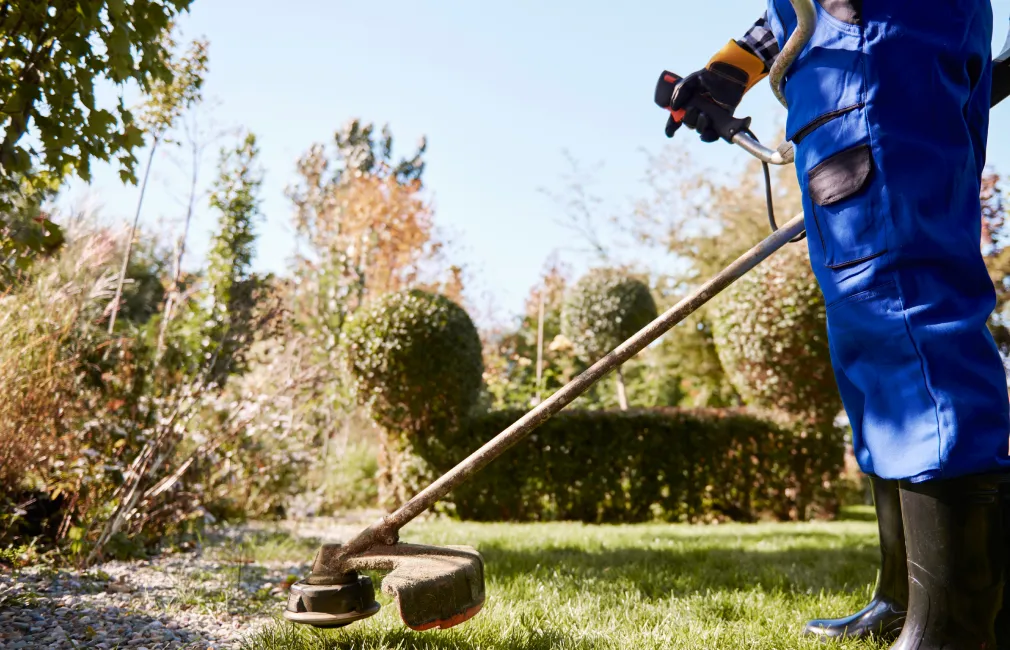
Millis Hedging Types

Boxwood Hedges
-
Privet Hedges
-
Yew Hedges
-
Laurel Hedges
-
Holly Hedges
-
Arborvitae Hedges
-
Beech Hedges
Our Hedging Process
Consultation and Planning
Site Preparation
Precision Trimming
Cleanup and Inspection
Why Choose Millis Landscape Services
-
Millis Homeowners Trust Us
-
Expert Lawn Maintenance
-
Reliable Seasonal Cleanups
-
Efficient Snow Removal
-
Competitive Pricing
-
Professional Team
-
Satisfaction Guarantee
Contact Millis's Department of Public Works for Hedge Trimming Debris & Brush Disposal
Proper disposal of hedge trimmings and brush in Millis is essential for environmental compliance and community cleanliness. The town offers seasonal yard waste collection from April-November, requiring residents to bundle materials in 4-foot lengths and keep bundles under 50 pounds. Use biodegradable paper bags or loose piles—plastic bags are strictly prohibited per the Massachusetts Department of Environmental Protection. For larger volumes or bulk hedge renovation debris, the Transfer Station accepts organic yard waste, but a resident permit or sticker is required, and fees may apply. Always separate organic clippings from inorganic debris such as wire or plastic. Never place trimmings in streets, gutters, or storm drains, as this violates MS4 stormwater regulations. For more information, contact:
Millis Public Works & Highway Department
900 Main Street, Millis, MA 02054
Phone: (508) 376-5424
Website: Millis Public Works & Highway Department
Understanding Hedge Selection for Millis's Glacial Till & Rocky New England Soils & Climate Zone 6a
Selecting the right hedge species for Millis requires understanding local soils—primarily glacial till, sandy outwash, rocky shallow, and marine clay—with typically acidic pH (5.5-6.5). The area falls within USDA Zone 6a, experiencing cold winters, summer drought, and exposure to de-icing salts. Use the USDA Web Soil Survey to assess your site’s drainage and organic matter. Recommended native or adapted species include:
- Inkberry holly, winterberry, bayberry, chokeberry, viburnum, native azalea (low-maintenance, ecological)
- Rugosa rose, juniper, sumac (salt-tolerant, roadside)
- American yew, rhododendron, mountain laurel, leucothoe (shade-tolerant)
- Bearberry, native roses (drought-resistant) Avoid invasive species such as Japanese barberry, burning bush, privet, and buckthorn; consult the Massachusetts Department of Agricultural Resources for up-to-date invasive plant lists and native alternatives.
Millis Conservation Commission Requirements for Hedge Work Near Protected Areas
Hedge installation or removal near wetlands, streams, or vernal pools in Millis is regulated under the Massachusetts Wetlands Protection Act (M.G.L. c. 131, § 40). Activities within 25-50+ feet of protected resources require Conservation Commission review to ensure buffer zones are maintained, native species are prioritized, and erosion is controlled. Seasonal restrictions may apply to protect nesting birds (March-August) and vernal pool amphibians (March-June). For habitat value assessments or endangered species concerns, coordinate with the Massachusetts Division of Fisheries and Wildlife. For permitting and guidance, contact:
Millis Conservation Commission
900 Main Street, Millis, MA 02054
Phone: (508) 376-7049
Website: Millis Conservation Commission
Property Lines, Rights-of-Way & Sightline Rules for Hedges in Millis
Millis zoning ordinances regulate hedge placement to protect property rights and public safety. Setbacks typically require hedges to be 3-10 feet from property lines, with height limits of 6-8 feet in front yards (side and rear yard limits may vary). At intersections and driveways, maintain clear sight triangles of 30-50 feet to ensure visibility for vehicles and pedestrians. Major landscape installations may require permits and review by the Building Department. Avoid blocking sidewalks, fire hydrants, or utility access, and ensure compliance with ADA accessibility standards. For questions about zoning, permits, or enforcement, contact:
Millis Building Inspection Department
900 Main Street, Millis, MA 02054
Phone: (508) 376-7047
Website: Millis Building Inspection Department
Safe Pruning Standards, Wildlife Protection & Seasonal Timing in Millis
Professional hedge maintenance in Millis should follow ANSI A300 pruning standards to prevent plant damage and disease. Use sanitized, well-maintained tools and wear appropriate PPE (eye and hearing protection). Schedule structural pruning in late winter, and prune spring-flowering species (e.g., lilac, forsythia) after bloom. Avoid topping or excessive thinning. Observe wildlife protection by restricting major pruning during bird nesting (March-August) and vernal pool activity (March-June). Monitor for pests and diseases using Integrated Pest Management (IPM) and consult the UMass Extension Plant Clinic for diagnosis. For complex pruning or chemical treatments, use an ISA Certified Arborist and ensure proper licensing and insurance.
Managing Hedge Waste Under Massachusetts Organic Waste Management Requirements
Massachusetts prohibits hedge clippings and yard waste from household trash and landfills, requiring participation in municipal collection or proper composting. Only healthy, non-invasive trimmings are suitable for home composting, which must be sited 10-20 feet from property lines and water sources to prevent odors and pests. Diseased or invasive materials (e.g., Japanese barberry, burning bush, buckthorn, privet) require containment and certified disposal. For large projects, use regional composting facilities and comply with Massachusetts Department of Environmental Protection regulations. Always separate organic from inorganic debris and follow local guidelines for safe, legal disposal.
Stormwater Protection During Hedge Work in Compliance with Millis's MS4 Program
Millis participates in the MS4 program under the Clean Water Act and Massachusetts Clean Waters Act (M.G.L. c. 21), requiring strict stormwater management during hedge work. Follow MassDEP Stormwater Management Standards by containing debris, preventing clippings from entering storm drains, and using best management practices (BMPs) such as erosion control and proper staging. Protect local water bodies—including rivers, ponds, and wetlands—by coordinating with the U.S. Environmental Protection Agency Region 1 and the Millis Conservation Commission for large or sensitive projects.
What Neighborhoods Do We Serve Throughout Millis, MA?
Millis’s neighborhoods each present unique environmental and regulatory considerations for hedging. In the Village Center, glacial till soils and historic district reviews require careful species selection and architectural compatibility. The Ridge and Orchard Hill areas feature rocky, well-drained soils and exposure to wind, favoring cold-hardy, drought-resistant hedges. The Acorn Street and Farm Street corridors, with marine clay and higher water tables, demand salt-tolerant and shade-adapted species. Suburban developments like Causeway Street and Walnut Hill must consider HOA rules, utility line proximity, and deer browse. Across all neighborhoods, factors such as sidewalk access, traffic patterns, and emergency vehicle routes influence hedge placement and maintenance. For planning and zoning questions, contact:
Millis Planning Board
900 Main Street, Millis, MA 02054
Phone: (508) 376-7041
Website: Millis Planning Board
Millis Municipal Ordinances for Hedge Trimmer Operation, Noise & Commercial Service Standards
Millis enforces municipal ordinances governing hedge trimmer operation, noise, and commercial service standards. Permitted hours are typically 7:00 AM-7:00 PM on weekdays, 8:00 AM-6:00 PM on Saturdays, and restricted or prohibited on Sundays—always verify current bylaws. Adhere to local noise ordinances and seasonal weather advisories, especially during Nor’easters or ice storms. Commercial operators must hold a valid business license, contractor registration, and insurance, and may be required to notify neighbors before major work. For up-to-date regulations and licensing, contact:
Millis Building Inspection Services
900 Main Street, Millis, MA 02054
Phone: (508) 376-7047
Website: Millis Building Inspection Services
By following these guidelines, Millis residents and professionals can ensure that hedge management practices support environmental stewardship, regulatory compliance, and the enhancement of community aesthetics.